Early Life and Education: Gilbert Keith Chesterton, better known as G. K. Chesterton, was born on May 29, 1874, in London, England. He grew up in a middle-class family, surrounded by a rich tapestry of artistic and literary influences. Chesterton’s early education took place at St. Paul's School and later at the Slade School of Fine Art, where he initially pursued a career in art. However, his true calling emerged in the realm of writing, where his unique perspective began to flourish.
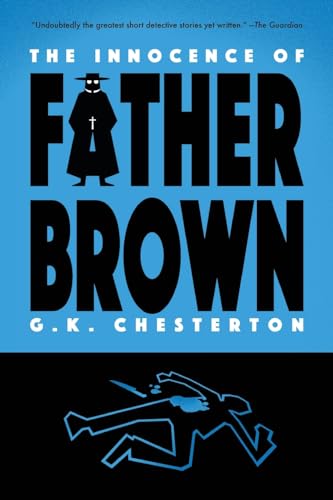
Literary Contributions: Chesterton’s literary career spans several genres, showcasing his versatility as an author, poet, and essayist. He is perhaps best known for his detective fiction, particularly the beloved character of Father Brown, who first appeared in 1911. Chesterton's works often reflect his deep philosophical insights and whimsical wit, tackling themes such as faith, morality, and social justice. His essays, notably collected in "Heretics" and "Orthodoxy," are celebrated for their incisive critique of contemporary thought and their passionate defense of Christian values.
Philosophical and Theological Insights: A significant aspect of Chesterton's legacy lies in his philosophical and theological explorations. As a convert to Catholicism, he infused his writings with a profound understanding of spiritual matters and the human condition. His belief in the power of wonder and the importance of maintaining a childlike perspective on life resonated with readers across generations. Through his eloquent prose, Chesterton advocated for the 'joy of belief,' championing the idea that faith could coexist harmoniously with reason.
Cultural Impact and Legacy: G. K. Chesterton's influence extends far beyond the literary world. His sharp critiques of modernism and his defense of traditional values have made him a pivotal figure in conservative thought. Chesterton’s writings continue to inspire contemporary authors, thinkers, and theologians, as they grapple with the complexities of modern life. His ability to engage readers with humor and insight ensures that his work remains relevant, as he invites us to explore the mysteries of existence with an open heart and an inquisitive mind.